Key takeaways
- Traders must register with the Commercial Register and the relevant Chamber of Commerce before importing, and some goods need a prior license from a specific ministry.
- Lebanese law bans specific goods outright, including used medical equipment, non-iodized salt, and passenger vehicles older than eight years.
- European industrial goods have entered Lebanon duty-free since 1 March 2015 under the EU and EFTA agreements, and most Arab-origin goods qualify under GAFTA.
- Customs valuation is based on the CIF value, so freight and insurance costs feed directly into the duties and VAT you pay.
- A customs dispute starts as an administrative matter, so early legal review of your declaration and classification can prevent seizure and penalties.
If you want to trade goods across Lebanon's borders, you need to register as a trader, classify your goods correctly, pay customs duties and VAT on the CIF value, and keep a complete documentary trail for every shipment. Getting any of these steps wrong is the most common reason goods sit stuck at the Port of Beirut while fees accumulate. This guide walks through the import export regulations Lebanon applies to traders, from the first license to the final customs dispute, so you can plan a shipment with fewer surprises.
Trade law in Lebanon draws on the Customs Law, the VAT framework, sector-specific rules from ministries, and the free trade agreements the country has signed. The pieces fit together more logically than they first appear, and knowing the order they apply in saves both time and money.
Licensing Under Import Export Regulations Lebanon Applies to Traders
Before a single container moves, a business needs to exist on paper as a trader. That means registration with the Commercial Register and membership in the relevant Chamber of Commerce, Industry and Agriculture. These records establish who is legally responsible for the shipment and its taxes.
General merchandise usually clears on this basis alone. Certain categories, however, need a prior import license from the ministry that regulates them. Pharmaceuticals and medical products go through the Ministry of Public Health, agricultural goods and foodstuffs through the Ministry of Agriculture, and other regulated items through their respective authorities. The license has to be in hand before the goods arrive, not arranged afterward.
Customs clearance itself runs on a declaration built on the Single Administrative Document. Lebanese Customs expects a consistent set of records with every entry:
- A commercial invoice, in original form
- A bill of lading matching the shipment
- A packing list
- A delivery order proving ownership of the goods
- A certificate of origin where the invoice does not state origin
- Proof of payment reflecting the exact shipment value
- A quietus confirming Social Security dues are settled
- Any license, conformity certificate, or phytosanitary certificate the goods require
The U.S. International Trade Administration keeps a practical summary of this documentation set, which tracks the requirements Lebanese Customs enforces in practice. You can review it in the Lebanon import requirements guide. Firms that sell both online and through physical import channels can often reuse the same record-keeping habits across both parts of the business.
Prohibited and Restricted Goods Under Lebanese Law
Some goods cannot enter Lebanon at any duty rate. The prohibitions fall into recognizable buckets: public health, environmental protection, local industry, safety, and national policy.
According to the U.S. International Trade Administration's published list, Lebanon bans the following:
- Cedar seeds and seedlings
- Chemical additives for bread making
- Table salt without iodine
- Waste, slag, ash, and scrap of chemical, mineral, and metal products
- Clinker and black cement
- Used medical and radiological equipment
- Gas-fueled pocket lighters
- Wireless phones operating on the 900 MHz bandwidth
- Goods carrying false origin marks
- Goods manufactured in or originating from Israel, under the Arab Boycott
Vehicles carry their own age limits for environmental reasons. The same source states that passenger vehicles older than eight years and transport vehicles older than five years are prohibited from import. For used-car dealers, that single rule decides whether a purchase abroad is even viable.
Restricted goods sit a step below outright prohibition. They can enter, but only with the correct license or permit attached to the declaration. Without it, Customs treats them like prohibited goods and seizes them. The practical lesson is that classification and licensing are not paperwork to tidy up later; they are the difference between a cleared shipment and a confiscated one.
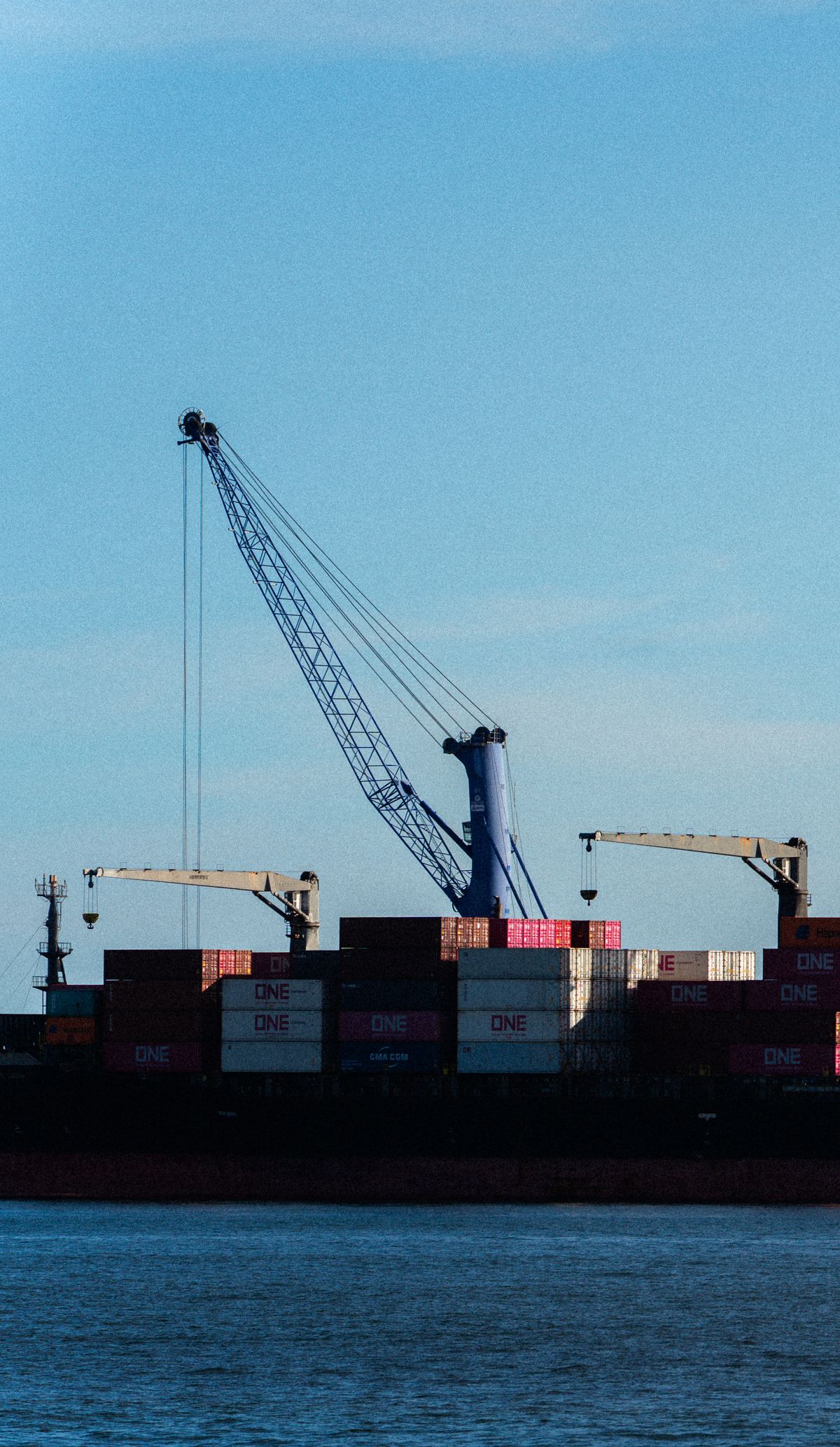
Customs Duties, VAT, and Documentation
Lebanon values imports on a CIF basis, meaning the cost of the goods plus insurance and freight. This matters because duties and VAT are calculated on that landed figure, not just the invoice price of the goods. A cheap product shipped expensively can still carry a meaningful tax bill.
On top of the customs duty, imports are generally subject to value-added tax at the standard rate, and the duty itself varies by product classification under the tariff schedule. Rather than assume a flat number, importers should confirm the current duty and VAT applicable to their specific tariff code before pricing a shipment, because rates move with budget laws and the classification of each item drives the result. A customs broker or trade lawyer can pull the exact figure from the tariff database for a given HS code.
Accurate documentation is what keeps the calculation honest. The declaration has to reconcile with the invoice, the bill of lading, and the proof of payment. Mismatches between declared value and payment records are a frequent trigger for reassessment and penalties. Keeping the paper trail clean follows the same instinct as good contract drafting: write it down accurately the first time and the dispute often never happens.
Compliance With Trade Agreements and MENA Standards
Lebanon's trade agreements can turn a costly shipment into a duty-free one, so checking origin before you ship is worth the effort.
European goods benefit from two overlapping deals. Under the EU Association Agreement and the EFTA free trade agreement, industrial goods from these partners reach the Lebanese market free of customs fees. The EFTA agreement was signed on 24 June 2004 and entered into force on 1 July 2007, with full duty elimination for industrial goods achieved by 1 March 2015, according to the EFTA record of the Lebanon agreement. An importer bringing in European machinery today pays no customs duty on it, provided the origin documentation holds up.
Within the region, the Greater Arab Free Trade Area removes tariffs on most goods traded among its Arab member states, giving Lebanese importers and exporters preferential access across much of the MENA market. Qualifying for any of these schemes depends entirely on a valid certificate of origin, because the preference attaches to where the goods were made, not where they were shipped from. Companies structuring regional supply chains should read the origin rules alongside the wider legal framework for cross-border trade in MENA, since the two sets of rules shape each other.
Handling Customs Disputes and Penalties
A customs dispute in Lebanon usually begins as an administrative matter rather than a courtroom fight. Customs may reassess the declared value, reclassify the goods under a different tariff heading, or allege a false declaration or missing license. Each of those can carry fines, and goods can be seized while the question is resolved.
The sequence of events tends to be predictable:
- Customs issues a notice reassessing value, classification, or origin.
- The importer responds through the administrative channel with supporting documents.
- If the disagreement stands, it escalates to a formal dispute, and in some cases to the Customs Council or the courts.
- Penalties and release of goods depend on the outcome and on whether the paperwork supports the importer's position.
Because the early administrative stage is where most cases are actually won or lost, the strongest move is to get the declaration and classification reviewed before the goods ship. Phoenix Law Firm handles exactly this kind of work for Beirut-based traders, combining customs and tax knowledge to challenge a reassessment or to structure a shipment so the question never arises. Where a dispute does head toward formal proceedings, the choice between court and arbitration becomes relevant, a decision we break down in our guide on litigation versus arbitration in Lebanon.
Frequently Asked Questions
Do I need a license to import general goods into Lebanon?
For most general merchandise, registration as a trader with the Commercial Register and the Chamber of Commerce is enough. A prior import license is required only for regulated categories such as pharmaceuticals, agricultural products, and other goods controlled by a specific ministry.
How are customs duties calculated in Lebanon?
Duties and VAT are calculated on the CIF value, which combines the cost of the goods, insurance, and freight. The duty rate itself depends on the tariff classification of each product, so the exact figure should be confirmed against the tariff schedule for your HS code before shipping.
Can European goods enter Lebanon duty-free?
Yes. Industrial goods originating in the EU or EFTA states enter Lebanon free of customs duty, with full elimination in place since 1 March 2015. The benefit depends on holding a valid certificate of origin that proves where the goods were made.
What happens if my goods are seized at customs?
Seizure is usually tied to a missing license, a false or inconsistent declaration, or restricted goods without the required permit. The matter starts administratively, and you can respond with documentation. Early legal review of the classification and paperwork is the most effective way to recover the goods and limit penalties.
Where to Go From Here
Before your next shipment leaves its origin port, pull the tariff classification and origin documentation for every item and confirm whether any of them need a ministry license. That single check, done early, prevents the majority of seizures and reassessments. If a shipment is already held or a reassessment notice has landed, contact a Lebanese trade lawyer promptly, because the administrative window is where these cases are most often resolved in the importer's favor.