Key takeaways
- Foreigners can own up to 3,000 square meters across Lebanon without a special decree, per Lebanon's Investment Development Authority (IDAL).
- Purchases above 3,000 sqm require a Council of Ministers decree, and buyers have one year from Official Gazette publication to complete registration.
- Foreign ownership cannot exceed 3% of any province's area, or 10% of Beirut's, so location availability matters as much as budget.
- Registration fees run about 6% of the property value, plus a 0.4% stamp duty on the contract (PwC, 2025).
- Title verification and a written promise-to-sell contract are the two safeguards that stop most cross-border property disputes.
Foreigners can legally buy property in Lebanon, but ownership is capped and some purchases need government approval. You may hold up to 3,000 square meters nationwide without a special decree, while anything larger requires a Council of Ministers decree and stays subject to strict provincial limits. This guide walks through the rules on foreign property ownership Lebanon applies, the permits involved, the full cost picture, and the due diligence that protects your money.
The framework rewards buyers who plan around it. Get the legal basics right early, and a cross-border purchase in Beirut or the mountains becomes routine rather than risky.
What Are the Legal Restrictions on Foreign Property Ownership in Lebanon?
Foreign property ownership Lebanon permits is not unlimited. A foreigner may own up to 3,000 square meters across the entire country without a ministerial decree, according to Lebanon's Investment Development Authority (IDAL). Beyond that threshold, a Council of Ministers decree becomes mandatory before the purchase can register.
Two ceilings run in parallel. Foreign nationals cannot collectively own more than 3% of the total area of any province, and in Beirut that cap rises to 10% (IDAL). These limits mean availability can close in high-demand districts even when your budget is fine.
The family rule catches many buyers off guard. A spouse and minor children are counted as one individual for the 3,000 square meter allowance, so a couple cannot double the exemption by splitting titles. Deadlines apply too: authorization lapses if the purchase is not registered within one year of Official Gazette publication, and buildings must be completed within five years of registration.
If your plans involve setting up a local entity to hold or develop the asset, the corporate route is one many investors take.
How Does Decree 11614 Affect Foreign Buyers?
Legislative Decree No. 11614, dated 4 January 1969 and amended by Law No. 296/2001, is the legal backbone of every foreign purchase. It sets the thresholds, the permit process, and the caps that IDAL summarizes. Law 296/2001 was the pivotal change, unifying how all foreign nationals are treated.
Before 2001, the law drew a line between Arab and non-Arab buyers. Arab nationals enjoyed a larger exemption, while others faced approval requirements for almost any purchase. Law 296/2001 closed that gap and applied one standard set of thresholds to everyone, which is why the 3,000 square meter figure now applies broadly.
The decree also governs the after-purchase obligations. A building must be finished within five years of registration, renewable once, and long leases exceeding ten years trigger their own decree requirement. These conditions are not paperwork trivia. Miss a deadline and the authorization can be cancelled, unwinding a transaction you thought was settled.
What Is the Step-by-Step Purchase Process and Title Verification?
The process moves in a fixed order, and title verification is the step you cannot skip. Every transfer runs through the Lebanese Land Registry, which holds the official ownership record and any liens or mortgages attached to the parcel. Confirming clean title before you pay is the single most protective action a foreign buyer can take.
A typical purchase follows these stages:
- Search the title at the Land Registry to confirm the seller's ownership and check for mortgages, liens, or disputes.
- Verify the ownership caps for the property's province and confirm whether your total holdings stay under 3,000 square meters.
- Sign a promise-to-sell contract that fixes price, terms, and deposit, giving both sides a binding framework.
- Apply for a Council of Ministers decree if the area exceeds the 3,000 square meter exemption.
- Execute and register the final deed at the Land Registry, paying the applicable fees.
- Register within one year of any Official Gazette publication tied to a decree, or the authorization lapses.
The promise-to-sell contract deserves attention. It locks the deal while searches and permits proceed, protecting your deposit if a title problem surfaces. Skipping it to save time is how buyers lose leverage.
What Taxes and Fees Come With a Property Transaction?
Budget for roughly 6% in registration fees plus additional stamp duties on top of the purchase price. When transferring ownership, registration fees of approximately 6% apply, and a 0.4% stamp duty is levied on the sale contract (PwC, 2025). Part of the registration fee falls due within a short window after the contract is concluded, so cash flow timing matters.
Here is the core cost picture for planning purposes:
| Cost item | Approximate rate | Applies to |
|---|---|---|
| Registration fees | ~6% | Property value at transfer |
| Stamp duty | 0.4% | Deeds and contracts naming a sum |
| Notary and legal fees | Variable | Service-based, negotiated |
Two points help avoid surprises. First, these statutory percentages sit alongside professional fees for your notary and lawyer, which vary by transaction size and complexity. Second, deadlines attach to payments, so late settlement of the registration fee can create penalties. Treating the headline price as the total cost is a common and expensive mistake.
How Do You Protect Your Investment Through Due Diligence?
Due diligence protects your investment by confirming three things before money changes hands: clean title, cap availability, and enforceable contract terms. The Land Registry search anchors all three, because it reveals ownership, encumbrances, and whether the seller can actually convey what they are offering. A registry that shows a mortgage or a competing claim is a stop signal, not a negotiation point.
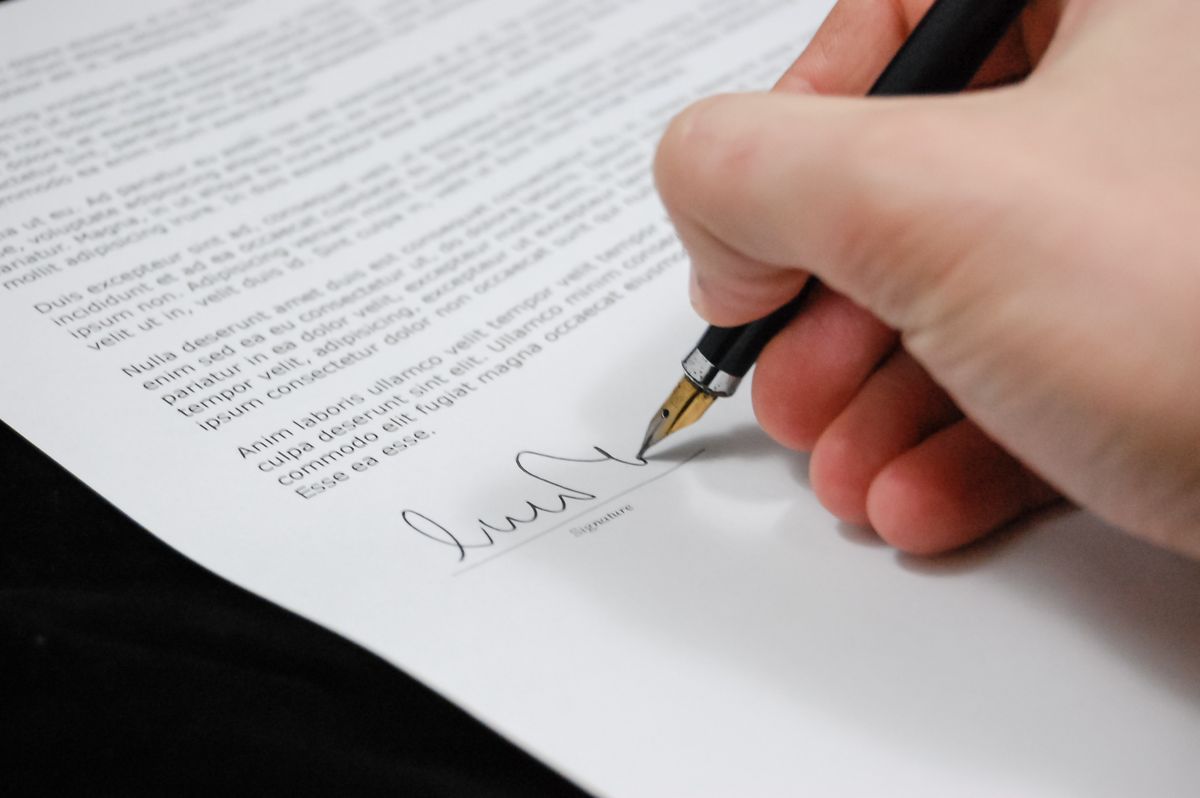
Beyond title, verify the numbers that trigger extra steps. Confirm the parcel's exact area, since crossing 3,000 square meters converts a straightforward purchase into a decree application. Check the province's remaining foreign-ownership headroom against the 3% cap, or 10% in Beirut, so you are not committing to a deal the registry cannot complete.
Documentary discipline finishes the job. Keep the promise-to-sell contract, the registry extract, and any decree paperwork organized and dated. If a dispute later arises, these records decide it. Knowing how property disagreements escalate, and when court becomes the realistic path, helps you keep the paperwork a judge would want.
When Should You Consult a Real Estate Lawyer?
Consult a real estate lawyer before you sign anything, ideally at the offer stage. Cross-border property purchases in Lebanon combine title risk, statutory caps, and permit timelines that shift with the transaction's size. Local counsel handles the registry search, drafts a promise-to-sell contract that holds up, and manages any Council of Ministers decree application without missing the one-year clock.
A lawyer earns their fee at the decision points. Whether your parcel breaches the 3,000 square meter line, whether the province has room under its cap, and whether the seller's title is truly clean are questions with legal consequences. Phoenix Law Firm, a Beirut practice handling corporate, litigation, and real estate matters, guides foreign buyers through each stage from title search to registration.
Choosing the right advisor matters as much as choosing the right property. Our guide on how to choose the right law firm in Beirut sets out what to look for in local representation.
Start with a title search on the specific parcel you have in mind, then bring the registry extract to a real estate lawyer before you commit a deposit. That single sequence prevents the majority of problems foreign buyers face in Lebanon.
Frequently asked questions
Can foreigners legally buy property in Lebanon?
Yes. Foreigners may own up to 3,000 square meters nationwide without a special permit, according to IDAL. Larger acquisitions need a Council of Ministers decree and remain subject to provincial ownership caps.
What is Decree 11614?
Legislative Decree No. 11614, dated 4 January 1969 and amended by Law 296/2001, is the core law governing how non-Lebanese acquire real estate. Law 296/2001 unified the treatment of all foreign nationals.
How much are property transfer fees in Lebanon?
Registration fees are approximately 6% of the property value, and a 0.4% stamp duty applies to the sale contract (PwC, 2025). Budget for notary and lawyer costs on top of these.
Do I need a lawyer to buy property in Lebanon as a foreigner?
A lawyer is strongly advised. Title verification at the Land Registry, permit applications above 3,000 sqm, and the promise-to-sell contract all carry legal risk that local counsel is best placed to manage.